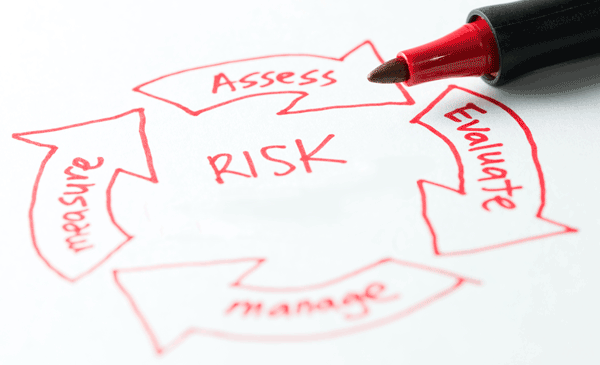
Behavioral Threat Assessments Teams
Behavioral threat assessments are a fact-based, investigative approach to determine how capable a person may be to carry out a threat of violence. These assessments are conducted by university Behavioral Threat Assessment Teams (BTAT) who are trained in conducting fact-based threat assessments and coordinating support services for persons exhibiting, or being affected by, behaviors of concern. The process from intake through assessment is standardized to the greatest extent possible in order to ensure a thorough, fair, and fact-based process for all persons involved.
A fact-based, behavioral threat assessment process considers warning behaviors in conjunction with known risk and protective factors, in to help determine a level of concern, which guides threat management actions.
All areas of the campus community are required to cooperate with requests from the Behavioral Threat Assessment Teams relative to successfully monitoring any threatening behavior.
Behavioral Threat Assessments Teams (BTAT) Heading link
UIC BTAT Video Heading link
BTATs Heading link
-
Role
Behavioral threat assessment teams and programs are designed to address any behavior that raises concern that a person or situation may pose a danger to the safety of the campus. The UIC BTAT establish a set of common-sense behavioral thresholds, and when the team is in possession of information that an individual has crossed one of these thresholds, university personnel respond with one or more strategies, which may include, but is not limited to:
Fact-finding meetings between university professionals and individuals exhibiting behaviors of concern.
Fact-finding meetings with individual(s) who identified and referred/reported concerning behaviors to university officials, and with others who may have information regarding a subject or situation.
Internal consultations and ad-hoc meetings among university professionals to assess and address the incident/situation.
Application of policies and protocols designed to address the incident/situation.
Coordination of UIC BTAT to monitor and oversee the university’s response to these situations.
Varying thresholds and responses may apply, depending on the UIC status/affiliation of a subject (e.g., current or former student or employee; indirectly-affiliated or unaffiliated individuals). ,
-
Responsibilities
Receive and review information about concerns regarding behavior that is potentially harmful and/or disruptive to the university community.
Perform initial assessments of risk and develop support plans, within existing university policies, to mitigate risk and promote individual well-being and success.
Provide follow-up and assessment of support plans.
Make recommendations for action and share information with university employees and others, as appropriate, to assist with managing potentially harmful or disruptive behavior.
Educate the university community on the Behavioral Threat Assessment Team process and how to identify and report behaviors of concern.
Provide guidance and best practices for preventing violence and providing support services.
Identify university policy and procedural issues and recommend changes to appropriate entities.
Use a fact-based behavioral threat assessment process to investigate threats, actions, or conduct that may lead to targeted campus violence, and determine situation-specific management plans.
Review Behavioral Threat Assessment Team procedures and protocols and assess team effectiveness and compliance with university policies.
Conduct post-incident assessments and evaluations of the effectiveness of the response(s) on a case-by-case and aggregate basis.
-
Oversight
The Campus Violence Prevention Committee (CVPC) provides oversight to the BTAT. The BTAT report to the CVPC once in the fall and once in the spring semesters.